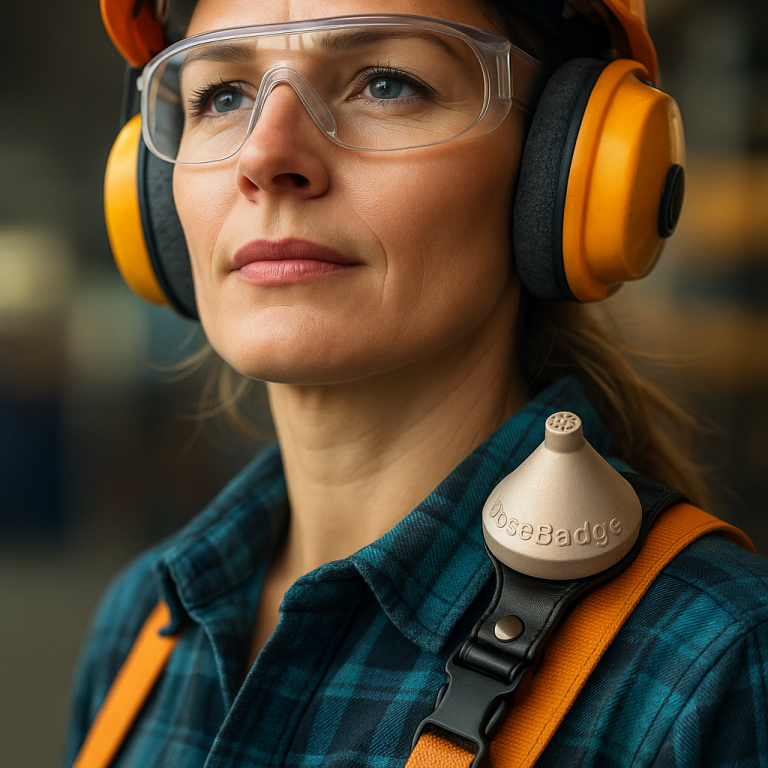
Noise monitoring in the workplace is required when there is a risk that employees may be exposed to hazardous sound levels that could affect their health, safety, or productivity. Identifying when to conduct noise monitoring is a critical responsibility for employers, especially in industries where machinery, tools, or processes generate high noise levels.
Regular workplace noise monitoring helps organizations assess exposure, comply with safety regulations, and implement measures to protect employees from long-term hearing damage. Understanding when noise monitoring is required ensures that businesses take proactive steps rather than reacting to incidents or complaints.
🧭 Understanding Workplace Noise Exposure
Before determining when noise monitoring is required, it is important to understand what constitutes harmful noise exposure.
Workplace noise becomes a concern when:
- Employees are exposed to loud sounds for extended periods
- Communication becomes difficult without raising voices
- Machinery or equipment produces continuous or intermittent high noise
- Sudden loud sounds (impact noise) are present
Prolonged exposure to excessive noise can lead to noise-induced hearing loss (NIHL), which is permanent and preventable. This is why timely monitoring plays such an important role in workplace safety.
⚠️ Key Situations When Noise Monitoring Is Required
There are several scenarios where workplace noise monitoring becomes necessary. Employers should conduct assessments whenever there is a reasonable possibility that noise exposure may exceed safe limits.
1. When Noise Levels May Exceed Permissible Limits
Noise monitoring is required when workplace sound levels are suspected to exceed safe exposure limits. In many occupational safety frameworks, exposure above certain decibel thresholds (e.g., around 85 dBA over an 8-hour period) requires assessment and control.
Signs that noise levels may be too high include:
- Employees shouting to communicate at close distances
- Ringing in the ears after work
- Complaints of discomfort or fatigue due to noise
Monitoring helps confirm whether these levels are hazardous and require action.
2. When New Machinery or Equipment Is Introduced
Whenever new equipment, tools, or machinery are installed, noise levels in the workplace can change significantly.
Noise monitoring is required to:
- Assess the impact of new equipment
- Identify any increase in exposure levels
- Ensure compliance with safety standards
Even modern machines can produce unexpected noise levels, making assessment essential before full-scale operations begin.
3. During Changes in Workplace Processes or Layout
Operational changes can affect how sound travels within a workplace. Rearranging equipment, modifying workflows, or expanding production areas can lead to increased noise exposure.
Monitoring is required when:
- Production capacity increases
- Workstations are relocated
- New processes are introduced
- Enclosures or barriers are removed
These changes may create new noise hotspots that were not previously present.
4. When Employees Are Exposed to Continuous or Intermittent Noise
Noise monitoring is necessary when employees are regularly exposed to continuous or intermittent noise during their work shifts.
Examples include:
- Operating heavy machinery
- Working near generators or compressors
- Using power tools for extended periods
- Exposure to repetitive impact noise
Even if noise is not constant, repeated exposure can accumulate and pose health risks over time.
5. When There Are Complaints or Health Concerns
Employee feedback is an important indicator that noise monitoring may be required.
Monitoring should be conducted if workers report:
- Difficulty hearing conversations
- Ringing or buzzing in the ears
- Headaches or fatigue linked to noise
- Reduced concentration due to loud environments
Addressing these concerns early helps prevent long-term health issues and demonstrates a commitment to employee well-being.
6. When Required by Regulations or Safety Audits
In many countries, including Singapore, workplace safety regulations require employers to assess noise exposure when certain conditions are met.
Noise monitoring may be required:
- As part of Workplace Safety and Health (WSH) compliance
- During safety audits or inspections
- For certification or industry standards
- When requested by regulatory authorities
Failure to conduct required monitoring can result in penalties and non-compliance issues.
7. When Implementing or Reviewing Control Measures
Noise monitoring is also required after implementing measures to reduce noise levels.
This helps to:
- Evaluate the effectiveness of control measures
- Ensure noise levels have been reduced adequately
- Identify whether further improvements are needed
Without follow-up monitoring, it is difficult to confirm whether corrective actions are successful.
📊 Industries Where Noise Monitoring Is Commonly Required
Certain industries are more likely to require workplace noise monitoring due to the nature of their operations.
These include:
- Manufacturing and production facilities
- Construction and infrastructure projects
- Marine and shipyard environments
- Oil and gas operations
- Warehousing and logistics
In these sectors, noise monitoring is often a routine part of occupational safety programs.
🧪 How Employers Determine the Need for Noise Monitoring
Employers typically use a combination of observation, risk assessment, and preliminary measurements to decide whether noise monitoring is required.
Common methods include:
- Conducting workplace inspections
- Observing employee exposure and working conditions
- Using basic sound level meters for initial checks
- Reviewing equipment specifications and noise output
If initial findings suggest high noise levels, a detailed workplace noise monitoring assessment should be conducted.
🛠️ Importance of Proactive Noise Monitoring
Waiting until problems arise can lead to serious consequences. Proactive noise monitoring helps organizations stay ahead of risks and maintain a safe work environment.
Key benefits include:
Protecting Employee Health
Early monitoring prevents long-term hearing damage and improves overall well-being.
Ensuring Compliance
Regular assessments help businesses meet regulatory requirements and avoid penalties.
Improving Productivity
Lower noise levels create a more comfortable and efficient work environment.
Reducing Liability
Proper monitoring and documentation reduce the risk of legal claims and workplace disputes.
📈 Frequency of Workplace Noise Monitoring
Once noise monitoring is conducted, it should not be treated as a one-time activity. Regular assessments are necessary to maintain safety and compliance.
Monitoring should be repeated:
- Periodically as part of safety programs
- When workplace conditions change
- After introducing new equipment
- When employees report concerns
The frequency depends on the level of risk and the nature of workplace operations.